

Τιμή Εκδότη: 19,91 €
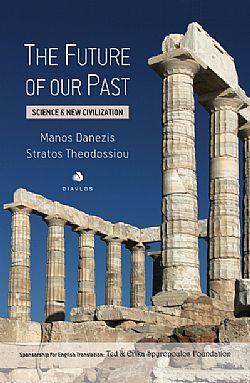
The scientist, to the extent he or she produces scientific work, constitutes a shaping factor of civilization, by exerting an influence, positive or negative, on the evolution of social structure. Because of this role, the scientist cannot hint or appeal to the neutrality of science, in order to stay out of the formation of the theological or social developments of the time.
Historians of science know very well that: the end of a major scientific revolution signals the beginning of major social and theological re-orientations.
The major scientific revolution that took place during the 20th century approaches its end, however it dogmatically remains out of the knowledge framework of the average citizen, as being dangerous for a social and a religious structure that do not persuade people anymore about their intentions.
Western civilization is under collapse. Theology and social structure must adapt and mutate, so that they will accept and handle the new scientific discoveries, which cannot remain at the margin anymore.
At the moment of the great civilization crisis, the scientist, as in other corresponding periods, has to dare to personalize the strong arm for the overcoming of the crisis, by expressing freely himself or herself at all levels, regardless of the social or professional cost, which sometimes can be unbearable.
Σχετικά προϊόντα
-
Ταχύτητα και Αγάπη
Τιμή Εκδότη: 22,00 €
Τιμή E-shop: 19,80 € -
Η υπόθεση κατά της σεξουαλικής επανάστασης
Τιμή Εκδότη: 16,90 €
Τιμή E-shop: 15,21 € -
Τρεις γυναίκες, τρεις γενιές, τρεις αιώνες
Τιμή Εκδότη: 18,02 €
Τιμή E-shop: 16,22 € -
Προπαγάνδα και παραπληροφόρηση στο Ίντερνετ
Τιμή Εκδότη: 14,90 €
Τιμή E-shop: 13,41 €